柳向春︱凡是"国宝",都要争取:香港回购文物记
柳向春
2018-05-07 11:04 来源:澎湃新闻

上世纪五十年代初,成立不久的共和国就多次动用宝贵的外汇储备从香港回购文物,充分反映出老一辈国家领导人和以郑振铎为首的文博事业领导者对传统文化的重视。但这一轮文物回购究竟是如何开始的,又如何结束,这一过程之中,到底有什么样的风波与故事,多年以来,并无确切的记载和叙说。
虽然尽快搜购散佚文物一事,在共和国尚未正式成立之前,就为有识之士所在意,如《阿英日记》1949年5月27日就记载:"与振铎同志谈散佚文物事,拟成立组织董理之。请彼拟计划,俟回平时,找周副主席研究。"(转引自《郑振铎年谱》,陈福康著,三晋出版社,2008年,696页)事实上,郑振铎自己也曾在沦陷时期表达过类似的观点,在给蒋复璁的信中,他谈到文献同志保存会的工作时说:"我辈若不急起直追,收拾残余,则将来研究国史朝章者,必有远适海外留学之一日,此实我民族之奇耻大辱也!其重要似尤在丧一城、失一地以上。"(转引自陈福康《书生报国:徐森玉和郑振铎抗战期间抢救珍贵图书的隐秘活动》,《上海史学名家印象记》,上海市历史学会编,上海人民出版社,2012年,8-18页)
然而,此事具体于何时正式启动,从何处启动,以何类文物为主,诸如此类的问题,其实并没有什么计划。因此之故,在我看来,五十年代这次香港文物回购,从某种程度上来说,只不过是机缘巧合、误打误撞罢了。
这次收购,是从著名的二希回购开始的,具体情形可参拙文《二希回购史事钩沉》(即刊于中华书局《掌故》第四辑,"二希"指的是清内府"三希堂"原藏的东晋王献之《中秋帖》与王珣《伯远帖》两种名迹),此不赘。二希的顺利回购,极大地鼓舞了国内回收流失文物的信心。当时的文物局局长郑振铎曾对友人刘哲民说:"'二希'已由政府收购。这是一个好消息。伯郊兄已有信来,详告此事。凡是'国宝',我们都是要争取的。"(《郑振铎书简》,86页)这里提到的伯郊即徐伯郊,徐森玉之子,也是五十年代文物回购的负责人,当时定居香港。
自此,香港文物回购行动即正式启动了。
回购行动的开始及方向
虽然因二希的成功回购,坚定了大家继续进行此项工作的决心。但接下来到底如何操作,从何入手,当时可能还并没有一个通盘的计划。而正在此时,传来了张大千打算出售自己所藏的消息。1952年2月14日,郑振铎在给上海文管委副主任徐森玉先生的信中说到(原函藏上海博物馆):
先生奔走沪穗,为人民得到了"二希",诚旷古之盛举也。香港方面,名绘法书尚多,当徐徐图之。闻张大千曾登报欲售去"潇湘",与伯郊兄商酌,拟请其即日赴港,办理此事。若能与顾闳中一卷倂得之,则"五代宋初"之画,可得而论之矣。

1952年2月14日郑振铎致徐森玉函
从某种意义上来讲,这次收购张大千所藏的董源《潇湘图》及顾闳中《韩熙载夜宴图》,也是个偶然事件。因为大千需钱款去南美开荒而出售藏品,并非政府事先规划所及。且大千所藏这两幅旧迹,本意是要出售至北美,只是因为美方不予善价(陈传席《张大千卖画报国内幕》,《陈传席文集》第四卷,河南美术出版社,2001年,1176-1179页),又有友人代大陆说项(朱省斋《顾闳中〈韩熙载夜宴图〉的故事》,《艺苑谈往》,香港上海书局,1964年,141-151页),这才转售大陆的。但正是由此开始,香港文物回购走上了常规化的道路。
张大千曾被台北故宫前副院长李霖灿誉为"十项全能"的大师(李霖灿《怀念张大千先生》,《张大千学术论文集•九十纪念学术研讨会》,"台湾国立历史博物馆",1988年,69页;此条承友人万君超先生检示,特此致谢),而收藏就是他最重要的"十项"之一。正是出于这个缘故,在董、顾两幅之后,大陆又陆续从大千这里收购了一些他的珍藏。不仅如此,西谛还向徐伯郊提议:"回港后,请和张大千多联系。凡在美国的名画,还有在日本的,最好通过他的关系能够弄回来。这是一件大事。盼他能够努力一下也。"(1952年8月25日函,《为国家保存文化:郑振铎抢救珍稀文献书信日记辑录》,陈福康整理,中华书局,2016年,280页)可见,这次回购之初,张大千其实是个关键人物。
但众所周知,大千不仅画艺高超,作伪水准更是出类拔萃,他售予大陆的藏品,也是鱼龙混杂、真伪难辨。因此,西谛也曾反复提醒伯郊,强调要小心谨慎,如1952年8月25日云:"《盘古图》要仔细研究。怕是出于张大千之手,千万要小心。" 12月23日函中说:"张大千的王蒙《林泉清集》,靠不住,万不可要!最好仍要他的《修竹远山》。千万!千万!或换一件别的画亦可。"12月26日函中又强调说:"张大千的王蒙《林泉清集》,不能要。原来说好是《修竹远山》的。我们不能收下伪品。必须弄到《修竹远山》。请千万竭力交涉为荷。"(《为国家保存文化》,279页、281页、284页)
也正是因为收购大千藏品存在这种风险,双方的合作很快就告一段落。当然,这也是因为在这一阶段的收购过程中,西谛发现香港市场上存在着更为广泛且精美的货源。
与大千的交易,之后虽然仍有进行,如1956年1月26日徐伯郊致王毅函中所言:"方方壶轴,已由张大千带来,并已交中行带穗中,大约日内可到",但较诸回购开端,已经明显不是重点。事实上,徐伯郊一直在试图挽回与张大千的交易,直到1958年3月24日致王毅函中,他还在建议:
张大千已由东京回南美巴西。张氏本有糖尿症,半年前影响眼部,不能作细笔画,闻近已渐好。其收藏尚未售出,拟与之合谈一批,成功之望,较为易办。郊意先谈:1、赵氏《三马图》、2、黄山谷《廉蔺卷》、3、黄山谷《张大同卷》、4、鲜于枢《石鼓歌》、5、王诜《西塞渔社图》等,不知以为然否?"同年的8月18日,再次建议到:"我以为张大千所藏之物,有重新考虑的必要。(以上所引诸函,皆为香港陆海天所藏原函影印件,下文未出注者,都出自同一批影印件)
在现存西谛文献中,有一件作于9月6日但未曾系年的致徐伯郊函附件,云:
(一)以收购'古画'为主,古画中以收购'宋元人'画为主。(二)碑帖,法书(字),暂时不收购。(三)铜器、玉器、雕刻、漆器等,收其精美而价廉者。振铎。6/9。(《为国家保存文化》,296页)
西谛又在1953年3月27日致伯郊函中说:
我们的收购重点,还是古画(明以前)与善本书,因其易于流散也。至于古器物,像铜、瓷、玉器等,除非十分重要的,均可暂时不收。一年半载,也不能收得尽。(《为国家保存文化》,287页)
再结合当时的实际情况来看,可以大概知道,当时回购的重点,其实就是主要以伪满失败之后从小白楼中流散出来的那一批"东北货"为代表的清宫旧藏。1952年7月30日,西谛作《中秘日录四卷跋》,其中说到:"是书为近人袁励准撰,未刊传于世。邵铭生君从手稿录出。予方从事于搜集溥仪携出故宫之书画,得此足资稽考。"(《西谛书跋》,郑振铎撰,吴晓玲整理,文物出版社,1998年,107页)这一段话,正是郑振铎当时从香港回购文物主要着眼点的最好注脚。
至于收购的具体对象,在徐伯郊与郑振铎、王毅等人的往来函件中也多有涉及,除了之前所说的张大千外,还有王季迁、周游、王文伯、王南屏、谭敬、余协中等,这些人的收藏,都与东北货、琉璃厂关系异常密切。
另外,当时特别点名要求回购的,还有陈澄中的荀斋藏书(具体参拙文《徐伯郊是怎么从香港抢救文物的》,《澎湃新闻·上海书评》2017年9月14日)、徐伯郊自己的藏书(这个问题,将撰专文详细说明)以及陈仁涛所藏的钱币。但这三宗,都是专项收购,与其他书画的收购,似乎并不相同。
除此之外,就是些零星杂项了。比如胡惠春所藏的康熙黑瓷。1952年12月29日伯郊致西谛函中云:"惠春的康熙黑地五彩盘,一定请他让出。找出六张照片,今附上。这四件成为一组,是一齐买进的。"
又如英国所购彩色照相玻璃片。1955年7月2日伯郊致王毅函:"彩色照相玻璃片共大小八木箱,早已运到。本来预备与陈书同运穗,后与沈先生一再商量,认为不妥。现决定托中国旅行社用船运广州,不日即可起运,这是一个很安全的办法。"
甚至还有一些国外新出的图书。1955年7月12日伯郊致王毅函:"代购《小屯》下编一册及Sherman E. Lee'Chinese Landscape Painting'(《中国山水画集》)此书所藏之画,太半是何斯泰在这四五年内由香港买去的,现在全在美国各博物馆及私人手上,这是最新的材料。以上两书,另包寄上。"
文物收购小组的成立
香港文物回购之初,在中央是由文物局局长郑振铎直接掌控。大概从1953年下半年开始,具体的联络工作便交由文物局的干部王毅负责。而在香港方面,则实际上只有徐伯郊一人在具体运作。在每次的回购过程中,伯郊虽然会得到其他相关人士如胡惠春等人的帮助,但毕竟势单力孤,难免会有顾此失彼之处。而当时在港机构中,最为可靠者,非中国银行莫属。因此之故,无论是互通消息还是暂存、运送已购文物,伯郊经常会需要中国银行的帮助,如1952年2月19日西谛致伯郊函中说到:"最好还是托中国银行沈经理等可靠之人,带穗付邮,或托朱市长寄来。千万要常通信。"(《为国家保存文化》,286页)
这里的沈经理,指的是中行香港分行的副经理沈镛。因为屡屡合作,伯郊对沈镛也非常信任,在1953年1月3日伯郊致西谛函中曾说:
关于收购之张大千画四件,已与朱市长商定,将款汇与香港中国银行沈镛先生(沈对于我们的工作很了解,上次收购二希时,他帮了不少忙,并与惠春相识)转交惠春,并收回画三件(《林泉清集》暂存惠春处),由香港中国银行带穗。这个办法非常妥当,望放心。
尤其是在"三反"、"五反"运动以来,像这样动辄牵扯巨款出入而又毫无监控的回购工作,仅由徐伯郊这样一位党外人士来独立运作,显然不再合适。有鉴于此,早在1952年2月19日,伯郊父森玉先生就致函(原函藏上海博物館)与他,诫其须时时警惕——
伯郊悉:
前寄三信谅收到。昨沈仲章交来漆匣一具,云是汝者,暂存我处。汝所办之事如何?一切须十分小心。此间谢、刘均成贪污犯。赵斐云来信,渠被检举,甚严重。但不知郑、王如常否?南北隔绝,无从探听也。为公家办事,浪费、贪污均宜切戒,宜时时自警惕。接此信后,务望寄我一信,俾我放心。此询近好。父森玉手泐。二月十九日……速写回信寄我。潘氏收条已寄还否?至念!

1952年2月19日徐森玉致伯郊函
而随着文物回购工作的一步步展开,文物局方面也开始考虑这方面的问题。
1952年12月26日西谛在给伯郊函中说到:
前日由朱市长转上一信,想已收到。因为有许多事正在商议、决定阶段,所以希望你能够在穗稍留,等候决定。如果那四件画非你回港不能取回,则请你和朱市长面商。否则,最好由你打电话或致函经手人,将那四件画送交朱市长指定之中国银行某人,交件取款。不知你的意见如何?(《为国家保存文化》,283页)
虽然信中并没有明说是出于什么原因,让伯郊留在广州,但结合当时国内的局势与后来采取的措施来看,很有可能从这个时候起,文物局方面开始考虑回购文物时候的程序与流程问题。
到了1953年3月底时,文物局终于有了一个初步方案,3月27日西谛在给伯郊的信中说:
伯郊先生:迭接数函,因月来极忙,未即覆为歉!预算尚未批下,但不是"钱"的问题,乃是办法和手续的问题。例如,如何在港组织一个小组,来主持收购,如何把已购之物带穗,等等。这些问题,正在与有关方面商谈中。(《为国家保存文化》,287页)
既然明确了大致方向,那具体的方案很快就出炉了。1953年4月8日西谛通知伯郊:
收购事,拟成立小组,由兄负责接洽、鉴定并议价事,由中国银行沈经理及温康兰二位负责付款等事;由你们三人成立一个小组,如此可省责任过重也。温康兰同志处,已由廖承志同志通知他。沈经理处,最好由朱副市长通知一下。温康兰同志如何和你接洽,可先和广州的华南统战部长饶彰枫同志联系。(《为国家保存文化》,291页)
4月18日,伯郊就此事回复西谛:
收购成立小组,非常同意。此事已与朱市长报告过,他教在动身之前再去见华南统战部长饶彰枫同志【以便可以】与温康兰同志接洽。至于沈镛同志处,由朱市长通知广州中国银行经理转告就可(沈是襄理兼总务科长)。
既然双方已经达成共识,在4月28日的回信中,西谛就建议伯郊,由穗返港之后,便可立刻着手组织收购小组事宜:
伯郊先生:十八日和廿日的信都收到了。朱光同志明后天就回穗。一切当由他面谈。港汇已汇穗。收购小组,你到港后,请即着手组织起来。(《为国家保存文化》,291-292页)
也就是说,这个文物收购小组,是在开始从事文物回购近两年之后才成立起来的。
文物收购小组成立之后,工作流程到底如何?现在还没有见到过切实的记载。1954年6月4日,西谛在给徐森老的信中曾经说到过:
关于陈澄中的善本书事,伯郊兄已在接洽,乞勿念!当可购买成功的。我的意思:关于书价的商谈,可由我们指定另外的人负责。关于版本的鉴定,则由伯郊兄负责。如此分工合作,可省掉许多麻烦。不知尊见以为如何?便中乞和伯郊兄一商。
既然荀斋藏书回购是如此流程,则想来小组成立后其他文物的回购,大概也是要由别人来议价,而伯郊则主要负责沟通联络吧?
再据1953年8月29日西谛致伯郊函:
古币款,已汇上。请即与沈君办理手续。(《为国家保存文化》,294页)
又1954年2月2日伯郊致王毅函:
关于向英国定的第二批玻璃板事,其中材料因为有添减,已详五三年秋季沈镛先生的信。后来沈先生一直没有通知英方公司,来港后,即与英方签订新合同,同时旧合同取消。新合同较旧合同多出港币壹百八十元,今将新合同照片寄上,请入账。并请在我与尊处帐内除去一百八十元为感。此次玻璃片大约不久可到。
几封信结合起来看,大概当时的分工就是由沈镛来具体负责经济方面的事宜。再据1955年9月20日伯郊致王毅函:
金匮之货,在全部未运回之时,郊与沈君早已发现缺少第30号一件,因由深圳及澳门运去之货,皆有回单,并无第30号。而最后运出之整批,亦无第30号。查金匮之货,自运到中行后,即行点收,并先后包装三次,地点皆在中行,经手者仅沈君与郊二人,决不应有遗失之事。惟第三次包装为一七八包时,时间过份匆促,或者漏编第30号一号。先是第二次包装为三百包左右,朱先生所托之运货人看过后觉得太小,于是以一夜时间改为一七八包。因时间关系,由郊交与沈君时,未能清点,第二日即开始带运矣。兹将经过情形简单报告,盼尊处即日拆包清点,如全部货与目录相同,即无错误。如缺一包之数,当再追查。
可知,沈镛除了负责经济方面之外,还会协助伯郊处理一些具体的工作。但沈镛在收购小组中的角色,似乎主要局限于在港业务。而大陆方面的经济业务,则似乎是一位蔡传胜在具体操作。
1954年11月20日王毅致伯郊函中提到:
如须款项,请与蔡君联系。前欠款可由前余款项下支付。但原未定之价格,应先商得同意。凡未同意者,不要先行付款。
1955年7月2日伯郊致王毅函中也提到此人:
陈澄中书六箱,已全部安全运到广州,并有蔡先生的收据(前寄上之装箱目录,第六箱"《秋声集》六册","六"字笔误,应改为"二册",全箱总册数不改)。澄中收据及详细目录日内寄上。
7月12日,伯郊致王毅函中再次提及这位蔡传胜先生:
《珊瑚帖》、白玉蟾卷两件款五万五千元,吴镇《草亭诗意卷》款三万元(价四万五千元,已付一万五千元),共八万五千元。因物主催迫甚急,请即通知穗蔡先生拨下。

米芾《珊瑚帖》,故宫博物院

白玉蟾足轩铭卷
1956年1月30日,伯郊致王毅函中也曾言及此人:
半月前收到蔡传胜先生由广州汇来港币二千八百六十六元六角九分,云系尊处嘱汇。此款系何用途?请示知。
除了以上这些明确提及蔡氏具体工作的信札之外,在徐伯郊致王毅的多通函件中,都特意请王毅向蔡传胜问候,可见此人虽然未曾名列收购小组,其实也曾在其中负有重要责任。
至于小组中的另外一人温康兰,除了在小组成立之初讨论名单时候见及其名,之后便再未曾见于文献记载。但结合西谛及伯郊信中提及温氏的联络人,大概可以猜到,温康兰应该是属于统战系统下属人员,则其在小组中的角色,大概也就可以想见了。
文物回购中面临的问题
因为当时国内外的形势攸关,在文物回购过程中,遇到了很多问题,但总而言之,大概可以分为以下几个方面。
其一是回购具体执行人徐伯郊的问题。
如在1952年6月10日西谛致徐森老信中,就曾请森老提醒伯郊:
伯郊兄辛勤奔走,屡建勋功,我们至为感佩!在行动方面,尚望特别小心,说话也要格外留意!总以箴默少言为上策。有人说,他曾将公安部的护照,给别人看。我知道伯郊是很谨慎小心的。但还需格外的持重,修养之力更深些才好。便中盼能告诉他一下。总以不露任务的真相,对外人不说自己的事为第一要义。
这是因为伯郊行事不够谨慎而造成的问题。
再如1957年1月4日吴桓丞自香港写信给徐森老(原函藏上海博物館),请求帮助:
侄于一九五三年曾帮同令郎伯郊兄办理收购画件及古币等,代之奔走接洽,检点验收。及至工作告一段落,对于侄应得之佣金迄未清结。屡向之索取,初则以国内款项未到推诿拖延,继则避不见面,窃念当时各项交易获利甚丰,渠在港个人生活极尽享受,而对侄之报酬竟延至两年余,仅零星付给一小部份,不予结清。最近更由其家人托言赴沪,使侄无从接洽。似此行径,实难再予容忍。本拟缕述经过,向国内主管当局申诉,请求主持。惟顾念多年友谊,不愿遽走极端,再四思维,祗有冒渎上陈,敬乞大人就近嘱其尽速了结,以清手续。侄需款迫切,情非得已,琐渎之处,务祈鉴谅为祷。
此事最后如何解决,尚不可知。但伯郊所以欠款不还,一则可能是他确是恶意拖欠,再则更有可能是因为当时的经费不足所导致,详见下。
其二,是回购文物的真伪问题。这个问题前文已经稍有涉及,主要是西谛屡次提醒伯郊对大千藏品一定要慎之又慎的问题。但西谛之所以再三强调这个问题,实在是因为事出有因,如1953年4月2日西谛在给徐森老的信中提到:
朱光说,伯郊兄携归的画,(一)顾闳中是真的;(二)董源《潇湘图》,跋真而画假;(三)王蒙(《太乙观泉图》)是张大千画的;(四)赵子昂(《秋江钓艇》轴)画,他未提意见;(五)周雍的马(赵□□《沙苑牧马图》),完全假的。这几幅画,想伯郊必已请先生鉴定过,究竟实际情形如何,盼能即行示知为荷。朱光眼力本来不好,他的话未必可靠。要请先生表示意见,才能有定论也。

1953年4月2日郑振铎致徐森玉函
也因此之故,西谛才会请求徐森老帮助把关,如在1952年5月29日致森老函中就说,"购画事,托伯郊兄进行,并盼先生能切实的、详细的告诉他进行的方针与办法。所开列的'画目',并请先生指正"。
其三,是预算及拨款问题。1941年11月13日,郑振铎当时以"文献同志保存会"名义,在孤岛上海负责抢救沦陷区古籍善本,他在致徐森老函中就曾说过:
然书款殊为拮据,支付尤为麻烦。独力应付,挖肉补疮,先生当能想见其困难之情形也!呜呼!一书之获,岂易事乎?何莫非以血以汗争得之者!愤懑之极,每思放手。然一念及先生'一切看在书之面上'一言,则又勉强支持下去矣。且摩挲陈编,益念责任重大,则又不得不独肩其难也……
而在十余年之后,负责香港回购的徐伯郊也面临同样的困境,且也与当年的西谛一样,采取了同样的态度,"一切看在文物之面上",黾勉从事。其间因此而生的困难,可见于伯郊写给西谛、王毅的很多信中,如1953年1月21日伯郊致西谛函中说:
春节已近,这是在香港抢购文物的最好机会,不知何日外汇方可批准?同时郊来广州已经四十日了,有些事不能相隔太久,不然就会脱节。总之一切仍希卓裁指示。
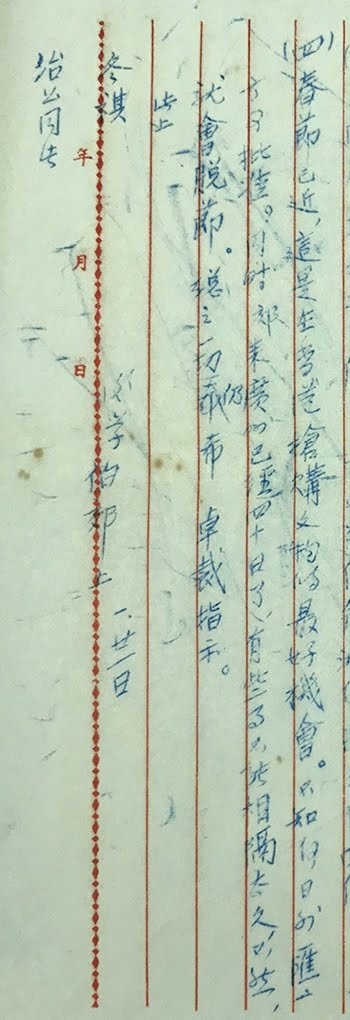
1953年1月21日伯郊致郑振铎函
两天之后,伯郊再次致函西谛询问此事:
这些天来,收购的意见不知商量好了没有?同时,外汇什么时候可以批准?统在念中。关于古币及其他古画事,惠春、君葆二人已来了几封信打听消息,并说到卖主方面非常作急。春节快到,这是一个收购最好的机会,希望注意。
再如3月4日伯郊致西谛函:
今日接到陈仁涛电报,问何日可以付款?今将原电寄上,请察阅。总之,郊这次返港,如果没有付款的确期,是很难应付的。这不但陈仁涛如此,其他数处也是这个情形,不知预算已否呈报?
十天之后,伯郊再次致函与西谛,询问预算的进行情况:
预算不知批准否,殊为系念。香港所接洽各处纷纷托惠春来函电询问,殊难应付。
款项不及时是在具体操作过程中遇到的最重要的一个问题。由此造成的影响,除了上文所言徐伯郊与友人发生纠纷之外,更直接的,则是对回购工作产生了障碍。这个方面,可以举一成一败两个例子。
资金不及时与竞争者造成的困局
首先是回购失败之例。
早在1953年8月29日,西谛就指示伯郊说:"赵佶的《四禽图卷》是重要的非购不可之物,盼能即办。"(《为国家保存文化》,294页)而就是这样一件早已确定要回购的文物,在具体操作过程中,却因资金不足,屡屡产生问题。

宋徽宗赵佶《四禽图》
1955年7月2日伯郊致王毅函:
宋徽宗《四禽图卷》。此件早已由周游售出,现已查出物主,而画仍在港,据闻已与美国华盛顿博物馆接洽中。经与之接洽数次,要价十八万元。这是一件赵佶画纸本精品,且一卷有画四段,惟稍残破,无伤也。副本在美国卢芹斋处。
此画既然早就确定要收购,按道理进程应该非常顺利,但事实上,据伯郊10月22日致王毅函:
十月十四日曾上一电,关于赵佶《四禽图卷》事。此卷详情,已详七月二日函。其时物主索价十八万元,一方并与美华盛顿博物馆接洽。在未发电前,物主曾来告,该博物馆已出价美金二万七千元(合港币十六万元),如我方可出同样的价钱,当可售与我方,并限一星期作答复。候至今日,已满一周,而尊处尚未复电,焦急万分,于今晨又□电,想已入览,预料复电已在途中矣。查此卷为"东北货",当年谭敬以极重价买入。来港后售与周游,又由周售与王某,再售与现在物主。此卷纸本,有花鸟四段,为现存赵佶画之最精者,比之上海博物馆所藏《柳鸦芦雁卷》有过之无不及,甚望能及时办妥。不然,从此无法收回矣。
10月31日,伯郊再次致函王毅催促尽快答复:
《四禽图》事,今日已为最后限期,顷与物主再度商量,请求展期。同时郊以始终未接尊处回电为对,无论如何,请再展期二十日,已蒙允许,希望速予决定。《四禽图》本身价值之高,无庸再来赘述,郊实不忍让这一个国宝性的名画,再入美帝的博物馆。
伯郊一方面请求卖主展期,一方面则紧密联系国内,希望能够尽快批准、拨款,但直到11月20日,此事仍旧未曾解决(徐伯郊致王毅函):
《四禽图卷》一再要求卖主展期,现在已展无可展,希从速决定。这件画在花鸟画中,实在是一件不可再得的画,希望注意。
到了次年的元旦,伯郊仍在做最后的努力:
宋徽宗《四禽图》,一年前曾寄美国求售,已与华盛顿博物馆洽妥。后该馆将卢芹斋所藏副本对比,不能决定,因此未购。现在图已寄至欧洲求售,尚未售出。如仍拟争购,尚有办法。
到了月底,《四禽图》的情况变得更加复杂,1月30日伯郊致王毅函中说:
另有一事,今特飞函奉告,英人大卫德最近由东京去台湾,再由台来港,现拟收购王南屏所藏之宋徽宗《四禽图》卷。此卷以前郊曾谈过数次,未奉到指示,拖延至今。现大卫德已出价美金弍万元(合港币拾弍万元左右)。而王索价拾弍万伍千元,颇有成功希望。今日王来与郊谈,如我方有诚意收购,决让与我方,并可连同二字卷同让,计:《四禽图》,美金弍万二千五百元(港币十三万五千元)。米芾《向太后挽词册》,港币三万五千元。文彦博三札卷,港币三万五千元。三件共二十万另五千元,并望在半月内给予回复,因大卫德于昨日去新加坡,二周后再返港也。王藏三件,以郊意见,皆有收购之价值。《四禽图》不但真迹,可能是赵佶亲笔所绘。《向太后挽词》为米芾唯一之楷书。文卷除台湾收藏外,可称孤本。盼接信后与谛公、冶公、张处长商定,即请赐一电报,以便回复王君。二月四日寄张葱玉一信,大意与此函同,并寄去《四禽图》、文彦博字卷、《向太后挽词》及台湾宋元册页十开等四种照片,又赵孟俯《八马图》印影本一卷。
仅仅两天之后,伯郊再次致函王毅提醒他面临的困境:
赵佶《四禽图卷》,价十六万元,无让。因为时间关系,请速预备此款,以便抢购。因为美国华盛顿博物馆也是出的同样价钱,防有变化。
但即便如此,国内仍未就此图发出明确指示,1956年3月4日:
关于《四禽图》等三件,前途催促多次,并允可以稍减价格,务请与有关方面商量后赐复。因我方如不拟收购,《四禽图》另有人商购也。
十天之后,伯郊再次提醒说(徐伯郊致王毅函):
赵佶《四禽图卷》,卖主一再催促,如果我方不要,卖主即以同样的价钱售与美国华盛顿馆。为了争取这件国宝性的画,请于三月底以前将港币拾陆万元汇港。
对伯郊的屡次呼吁,国内似乎一直未有回应。到了3月23日,伯郊再次发信给王毅,做最后的努力:
宋徽宗《四禽图》最后期限是三月底,已于上次信报告过。如果要争取这件宋徽宗的重要作品,希望立刻将款拨下。
可惜的是,最终这件赵佶的名作还是没能留在国内,而是辗转域外,现在落脚于美国的纳尔逊艺术博物馆。对这件争取了一年多的珍品,伯郊显然是一直心存遗憾,在1958年8月18日致王毅函中,还以此为教训,提醒王毅:
香港古画市面,唐宋元的价钱越来越高,这全是受欧美的影响。赵佶的《四禽图》及《金英秋禽图》全得善价,所以我以为张大千所藏之物,有重新考虑的必要。
其次是回购成功之例。
在1954年2月2日,伯郊致王毅函中提及米芾二帖册(《珊瑚帖》《复官帖》)及白玉蟾《足轩铭卷》,说"已与物主谈了多次,最低价前者三万元,后者二万五仟元,谨奉告希卓裁"。根据伯郊后来信中所言情形判断,当局其实是很快就批准了这次交易的,但问题还是出在资金方面。

米芾《复官帖》
1955年7月2日,伯郊写信给王毅:
米芾《珊瑚帖》及白玉蟾尺牍卷,物主催促再四,请便中将该款伍万伍仟元(米帖三万元,白帖二万五千元)汇下,以便解决。
十天之后,伯郊再次催款(徐伯郊致王毅函):
《珊瑚帖》、白玉蟾卷两件款五万五千元,吴镇《草亭诗意卷》款三万元(价四万五千元,已付一万五千元),共八万五千元。因物主催迫甚急,请即通知穗蔡先生拨下。
虽然伯郊再三催促,但过了一个多月,款项仍无消息,伯郊只好再次向王毅发函催促,他在8月21日信中说:
《珊瑚帖》、白玉蟾二字卷及吴镇《草亭诗意》余款共八万五千元,请拨下为感。
又等了一个月,拨款一事,仍然毫无动静。9月20日,他再次写信给王毅:
《珊瑚帖》及白玉蟾卷款伍万伍仟元,又吴镇《草亭诗意图》余款三万元,共八万五千元,请即拨下。
因为款项迟迟未到,伯郊只好以每月一次的频率向王毅写信催款,10月22日函:
货已至京而未付款者,有《珊瑚帖》及白玉蟾卷两件。计《珊瑚帖》三万元,白玉蟾卷二万伍千元,共五万伍仟元。此款亦请从速寄下,因时间太久,货主催促不已。
11月20日函:
《珊瑚帖》及白玉蟾卷,款共伍万伍千元正,亦请汇下。
1956年元旦函:
王毅先生:到港后,曾寄上二函,每函内有单据一纸(即《珊瑚帖》、白玉蟾字卷收据及书收据),日前又复一电,想皆已收到。
到了1月26日,为了确保可以顺利与物主交涉,伯郊想到一个移花接木的办法,他在给王毅信中说:
已交件而未收款者,有:米芾《珊瑚帖》及白玉蟾卷(价伍万伍千元)……即以已收之五万元,另外之五千元,移作付米芾《珊瑚帖》及白玉蟾卷之用,并将收据一纸附上,以便付账。
伯郊的种种努力,似乎终于有了回音,在2月4日给王毅的信中,伯郊说:"请先汇叁万伍千元(伍千元为《珊瑚帖》及白玉蟾卷不足之数),前函请汇四万元是错误的。"
从以上两函所述看,中央似乎已经拨款,这个时候已经给物主付过五万元了。但事实上,这只不过是一个由于通讯迟缓造成的误会而已,中央并未同意伯郊的方案。因此到了3月14日,伯郊再次写信给王毅催款:
为了结束《珊瑚帖》及白玉蟾卷,又吴镇《草亭诗意图卷》两事,请汇港叁万五(万)[千]元正(《珊瑚帖》及白玉蟾卷共五万五仟元,《草亭诗意图》价肆万五仟元,两事共拾万元。
这次之后,再未看到伯郊就此事与文物局交涉,则此次的吁请,应该是终于得到了响应。从1954年2月创议,到此时最终购进付款,这一事件已经持续了两年有余。回首当年的回购过程,我们现在能够在北京故宫看到米芾和白玉蟾的这几件作品,显然是多亏当年徐伯郊不屈不挠的多次努力。
白玉蟾卷除了上述收购成功之一卷之外,后来还曾再见一卷。据1958年3月24日伯郊致王毅函:"香港又有一件白玉蟾字卷,东北散出者,索价美金四千元,今将照片附上,请研究后示知。"事实上,这个时候大规模地回购工作已经结束,至8月3日,王毅终于回复到:"白玉蟾不需进行。"
海外收购者的竞争
在香港回购文物,还要遇到的一个问题就是来自海外收购者的竞争。1953年1月27日伯郊致西谛函中说到:
关于小米及赵子固两卷,郊在一周前写了一封很诚恳的信给物主王南屏,劝他为祖国计,减价让出。昨天接到他的回信,今附上。米、赵两卷,第一次开价是五十万,后来又减到三十万。当时美国文物特务何昕泰也在香港,与王谈了几次,恐怕也因为价钱,没有谈好。这次他减到廿五万,价钱还是太高。数月前,郊拟的初步预算,米、赵、吴(《墨井草堂卷》)三卷约十万—十二万元。即以十二万元算,与他的廿五万元,相差还很多,何况他还留下吴卷不让。在港时,他常常说到小米可以比张大千之《潇湘卷》或《夜宴卷》,这是因为小米真迹太少,是不可以比的。不过赵子固是无法比张的两卷,而且价值还差得很多。当时,郊曾将张的两卷的让价告诉他,他以为当时张出于无办法,不得不让,其实价钱太便宜了。总之王这个人是不容易办的。至于曹云西一页,让何昕泰买去,实在可惜。当时郊在沪时,王索价一万元,其实五六千元就可买到。因为没有现款,所以没有谈。曹的真迹,在国内也不太多。

1953年1月27日伯郊致郑振铎函
根据这个记录,现藏北京故宫的米友仁《潇湘奇观图》和赵孟坚《墨兰卷》当时也曾差点失之交臂,而王南屏同时出售的吴历《墨井草堂卷》,却从此流至异域,现存美国大都会艺术博物馆中。
再据1955年7月12日伯郊致王毅函:
代购《小屯》下编一册及Sherman E. Lee "Chinese Landscape Painting"(《中国山水画集》)此书所藏之画,太半是何斯泰在这四五年内由香港买去的,现在全在美国各博物馆及私人手上,这是最新的材料。
这里所说的何斯泰,想来应该就是上文的何昕泰,从这封信中所言,可知他在香港购得为数不少的文物珍品,转售于美国。
1955年10月22日伯郊致王毅:
专代美国各博物院购买古画的何斯泰,已于上星期来香港了。顺闻。
10月31日伯郊致王毅:
谢伯诚《观瀑图》。此轴已为何斯泰购去,这不是一件重要画,杨维桢跋有疑问。另外还有几件不甚重要的。又闻何斯泰去年自日本购入的武宗元《朝元仪仗图》已归王季迁了,同时还有倪瓒的《虞山林壑图》,换了一个王蒙画及明清画十余件。
1956年2月1日伯郊在给王毅的信中,再次提及何斯泰对文物回购的干扰:
数月来,香港书画界情形较为活跃,原因是美国何斯泰来此数月,迟迟不走。同时张大千亦由南美经日来此数周,现已离去。此间所藏之字卷,如黄山谷之《廉颇蔺相如卷》、《张大同卷》、赵子固《梅花诗卷》、耶律楚材字卷及元人集册,皆为人以高价购去,可能转售与日本。又有米芾唱和诗卷(此卷未报过),亦同时购去。
就在这同一封信中,伯郊还提到,就连《五牛图》也正在被何斯泰觊觎:
唐韩滉《五牛图卷》,本为吴蘅孙所藏,前几年谈过多次,皆因索价过高,未得要领。现吴环境转变,已有售出之意。而何斯泰亦有意购买,已出价十八万元,吴未卖。大约二十万左右或可以谈。今将照片寄上,请卓裁。此卷纸本有赵子昂二跋,与《式古堂》所记稍有出入(《式古堂》著录二卷,绢本者有赵跋,纸本无跋),请查其他著录一对。
除了何斯泰之外,另外还有一位来自英国的文物掮客,对当年伯郊的工作也造成不小的影响。在1956年1月30日致王毅信中,伯郊说到:
另有一事,今特飞函奉告,英人大卫德最近由东京去台湾,再由台来港,现拟收购王南屏所藏之宋徽宗《四禽图》卷。此卷以前郊曾谈过数次,未奉到指示,拖延至今。现大卫德已出价美金弍万元(合港币拾弍万元左右)。而王索价拾弍万伍千元,颇有成功希望。今日王来与郊谈,如我方有诚意收购,决让与我方,并可连同二字卷同让,计:《四禽图》,美金弍万二千五百元(港币十三万五千元)。米芾《向太后挽词册》,港币三万五千元。文彦博三札卷,港币三万五千元。三件共二十万另五千元,并望在半月内给予回复,因大卫德于昨日去新加坡,二周后再返港也。王藏三件,以郊意见,皆有收购之价值。《四禽图》不但真迹,可能是赵佶亲笔所绘。《向太后挽词》为米芾唯一之楷书。文卷除台湾收藏外,可称孤本。盼接信后与谛公、冶公、张处长商定,即请赐一电报,以便回复王君。
虽然现在还不能确定当年就是大卫德买走了《四禽图》,但他的所作所为对伯郊的工作,显然是个极大的干扰。
除了这种文物贩子直接的扰乱市场之外,还有一种情况,也对伯郊的工作造成极大威胁,就是藏家自己直接将藏品转送国外出售,如1956年2月1日函中伯郊还提到:"王文伯旧藏李公麟《豳风图卷》,本存香港,现已寄回美国,可能美国博物馆预备购买。"同样,这件《豳风图》后来也经顾洛阜之手,现在转入美国大都会博物馆收藏。
香港回购之结束
香港文物回购,从本质上讲,自始至终只是一件临时工作。因此在启动不久之后,当时的文物局长郑振铎就在考虑适时结束的问题了。1953年7月31日郑振铎在致徐森老信中就说到(原函藏于上海博物馆):
估计,收购之举,在三两年之内,也就差不多可以告一结束矣。将来,即有款,也只能另星收购,万难有成批整家的旧藏可得了。
次年的6月4日,他又在致徐森老函中说:
他(伯郊)为国家救全了不少重要文物,他的功绩是显著的。但今后其地字画已不太多,拟暂停止一个时期,且静观一下。否则,过于执心了,价格一定会更加腾贵的。
可事实上,1953、1954年正是收购工作方兴未艾之际,当时还并不是收束的合适时机。但到了1956年的下半年,随着几宗大的回购工作顺利完成,尤其是市面上的名品巨迹大都各有所属,中央终于下定最后决心,结束香港文物回购。10月20日,在给徐森老信中,西谛谈到(原函藏上海博物馆):
伯郊兄闻已回沪,甚为高兴!王毅昨已有电话给先生,请转告伯郊兄多留几时,面谈一切。文物局已将伯郊兄经手的账目结清,当由王毅带沪一同查阅,不知有何错误之处……伯郊兄的工作,我们都认为做得很好,为国家保存了不少名贵的宝物。这几天,故宫博物馆正展览"唐宋名画",徘徊数次,不禁想念起伯郊兄的功绩来。
函中所言让王毅与伯郊面谈并查核账目,无疑就是在为结束收购做扫尾工作。大概在十余天之后,西谛收到了伯郊的来信,汇报他与王毅的会谈事宜。在此信中,最值得注意的有以下几点:
一、"王毅同志来沪,畅谈数日,二年来未解决的问题,此次全部谈好。"也就是说,大概从1954年开始,双方大概就开始有了一些隔阂,但一直未能解决。
二、"以前所有未结清之人民币及港币帐,由此次书款内一次扣清,双方不欠分文。以后如有委托收购等事,再立新帐。"这一条的意思是,之前伯郊曾欠有公款,故将所欠在其售书款内扣除。这一点,在1956年9月8日赵万里致徐森老信中,也可得到证明(原函藏上海博物馆):
惟据说(极秘)伯郊兄过去收领文物局订件之款(港币),但到现在尚未交货(如谭敬老太太的朱子真迹)的数不在少。如果把这批书款和上述订款两消,深恐伯兄所入无几,无补于事。
三、"已经议定价格之司马光《通鉴稿》等三件及吴镇《草亭诗意卷》一卷,由郊负责收购。"根据上下文来看,这四件物品,应该就是这次始于二希的相关文物回购工作中,最后的几件。
四、"以后如有收购事宜,双方议定价钱后,酌加手续费一成至二成。此项费用包括邮电、照相及交通等费用在内。"从这一点来看,双方虽然存有矛盾,但都在可控范围之内,并没有导致激烈的冲突,且为日后的合作,做了极好的铺垫。
也正因此之故,1958年的下半年,双方再次进行了合作。8月18日,伯郊在给王毅的一封信中提到:
盛子昭画款已领,计港币肆万另陆百元正。今将收据附上,请察收。此画是存世盛画的绝品,又是纸本,能很顺利的收为国有,不胜快慰,想有同感。
盛懋这幅《秋江待渡轴》,是之前伯郊推荐给王毅的,正是这次回购,现存故宫。在这一期间,伯郊还有很多其他建议,但因种种因素,并未成功,如信中所言:
现在又发现了一件巨迹,失踪已久的王安石书万行《首楞严经》已经发现了。此卷亦在台湾。王氏真迹除了伪故宫藏有一(扎)[札]外(仅六行),此卷是存世唯一真迹了。《墨缘汇观》、《大观录》等皆有著录。此卷索价美金弍万元,在唐宋名迹日少的今日,并不为贵。
这件王安石手迹,其实为王南屏所有,后来在八十年代中期,与宋舒州本《王文公文集》一起回归大陆,现存上海博物馆中。除了1958年之外,到了六十年代,徐伯郊又曾应文物局之请,再次收购荀斋所藏。这些,都可以视作五十年代回购工作的后续工作。
1933年,随着华北局势逐渐恶化,故宫文物陆续打包,分五批南迁。后来这些文物虽然大部分安全北返(故宫等处的南迁文物,后来又根据情势,先后西迁西南后方和东还南京。从1950年1月23日起到1958年的9月,存宁文物又陆续运回北京约六千余箱,南京尚存两千一百七十六箱、一万零四千七百三十五件,详参郑欣渺著《天府永藏:两岸故宫博物院文物藏品概述》,紫禁城出版社,2008年。此承故宫博物院研究员徐婉玲博士检示,特此致谢),但也有超过三分之一的文物,从此便流落于台北、南京,直至今日。
正是由于这个原因,在五十年代初期,故宫藏品就展览而言,显得十分有限,完全不足以呈现古代艺术的整体水平和流变。所以,1952年5月29日,西谛在致徐森老函中说:
上月中,曾数次陪同各国来的代表们到"故宫"参观,深感到"故宫"的陈列,实在空无所有,显不出任何特色出来:雕刻全无,绘画极差。稍足以支持局面的,还是向张伯驹等借来展览的几幅画。所谓珐琅、玉石、葫芦等,均是小品,决不能成为专馆。如欲使其成为首都的最大博物院,也是全国最大的博物院,则必须将陈列品大加扩充,广事搜集,且将陈列方法,彻底的加以改革。尚盼先生对此事时时予以指示为感!购画事,托伯郊兄进行,并盼先生能切实的、详细的告诉他进行的方针与办法。
同年6月10日西谛在给森老函中又说到:
故宫设书画馆,要求的人很多,我们也正有此计划。故必须力谋充实所藏也!唐宋元之作固然寥寥,即明清画也是屈指可数。故王南屏和庞氏的明清画也要罗致。先生的帮助是我们所永远不忘,而绝不是'感谢'二字所能表示的!
四天之后,西谛再次致函森老,强调文物短缺这一问题:
最近数月,常陪代表团到故宫博物院去,感觉到,内部实在太空虚了。故必须亟加补充,使它能够像一个样子。心里很着急,总想使它早日能布置得好些。故需要古画等甚急也。
直到次年的3月8日,西谛还在给森老的函中说:
现故宫绘画馆,已稍有规模,但所有尚不及一千三百件。最重要的名家,所缺甚多。不要说王维、吴道子之作决不可得,即范宽、郭熙、巨然等必要之作,尚未收到,许道宁、燕文贵的也没有。宋徽宗、王晋卿均没有好的。挂轴尤为缺乏,宋代部分,尚不知如何布置法!只能以"集绘册"拆开来陈列,尚可勉强对付。但究竟不是办法也。连马远、夏圭的大件东西都没有!仍应以全力设法搜罗。元四家中,也少大件的。倪云林的,只有两轴,奈何?!
香港回购文物,虽然说并非是特意为了充实故宫所藏,但事实上,文物局回购的这些文物,后来大都拨交给了故宫,使得故宫藏品的质量大为提高,也因此之故,西谛才会向徐森老着重指出:"这几天,故宫博物馆正展览'唐宋名画',徘徊数次,不禁想念起伯郊兄的功绩来。"(1956年10月20日致徐森玉函)

1956年10月20日郑振铎致徐森玉函
转眼之间,又是一甲子,伯郊等前贤的贡献和努力几乎已经湮没在历史洪流之中。回顾这次香港回购,不仅是为了廓清事实,也是希望让更多人了解当年这些奋战在文物回购第一线的先贤的辛劳与功绩,正是由于他们的努力,我们才有机会与这些瑰宝长相厮守。
| Evernote helps you remember everything and get organized effortlessly. Download Evernote. |


